September 2026 Issue |
||||||||
 |
||||||||
• Subscribe to Meat Goat Mania • Email Us • Onion Creek Ranch • Bending Tree Ranch • OCR Health & Management Articles • MGM Archive |
||||||||
 |
|
|
|
|
|
|
|
|
|
|
|

|
||||||||||||||||||||||||||||||||||||||||||||||||||||||||||||||||||||||||||
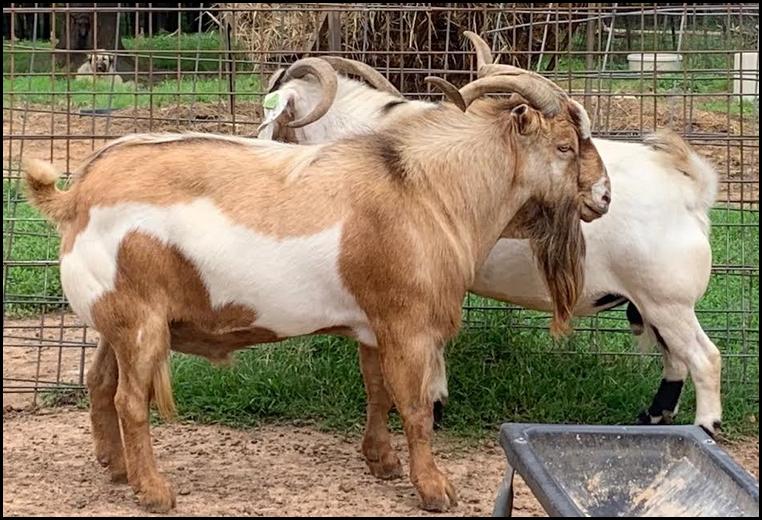
STRESS AND GOATS Unless you have raised goats for many years, your impression of goats is likely based upon the popular myth that goats are "junk" animals that can survive on tin cans and cardboard and thrive in any environment. Nothing could be further from the truth. Cattle can digest many plant materials that goats cannot. Goats have a very fast (11 to 14 hour) rumen passage rate. Acid Detergent Fiber is a measure of digestibility of plant materials. If the ADF is higher than 39, goats literally cannot digest it because there is too much lignin (non-digestible cellulose) in the plant material. Goats are very selective eaters because they have to be. Goats are a small ruminant species that have early sexual maturity, short gestation, and multiple births. Under unmanaged or poorly-managed conditions, about half of those born will die before reaching adulthood, while only the hearty will live. In the natural world, this is how all species manage to survive. Stress is a significant cause of death in goats. Stress produces adrenaline and cortisol that arouses the body to emergency action. Manage your goats and your pastures to avoid stressing both of them. Stressors include incorrect diet (too much, too little, and/or bad diet), not enough living space (overcrowding), extremes of temperatures, no protection from wind and rain (goats hate water and cannot handle wind), not enough exercise (you cannot keep them stalled like horses), boredom (goats are very smart animals and get bored easily), too much noise (example: wind farm turbine noise is upsetting to the point of negatively affecting breeding cycles), parturition (giving birth), transporting to new locations, isolation from other goats (the herd means safety), and rough handling by people. Symptoms of stress include being off feed and/or not drinking water, tail down during good weather conditions, droopy countenance, isolation from other goats, and diarrhea. Each of these symptoms can also indicate different problems, so you must study your goats to be able to diagnose illnesses and then evaluate the management techniques that you use that may have caused them. I can usually look at my goats' eyes and tell if they are stressed or ill. Biotic stress is stress caused by other living organisms. Bacteria, viruses, fungi, parasites, insects, toxic plants, and predators. All of these stressors can be controlled through proper management. Overcrowded and too wet conditions result in biotic stress. Goats cannot live healthy lives in crowded or wet conditions. Transporting them from location to location, even on your own property, is stressful. Stress often results in "shipping fever," with symptoms including fever, nasal discharge, and panting/rapid breathing. Stress and adaptability are intertwined. Goats need time and proper management to adapt to new conditions and locations. Isolation from other goats is also a stressor. Goats are extremely social animals. The herd is their primary, and sometimes only, source of safety. The establishment of goats within a new herd is stressful. Goats have a very distinct pecking order. Moving them from one herd to another means that they must re-set their pecking order. Herds of bucks require special handling. Bucks have one purpose in life -- reproduction of their genetic lines -- that keeps them in a constant state of conflict for dominance over other bucks (whether does are with them or not). Abiotic stress is stress caused by sun, wind, rain, heat, cold, and other unavoidable environmental conditions that affect growth and productivity. These stressors have to be managed to keep them from hurting or killing goats. Plant stress occurs when too much, too little, or poor quality water exists. Heat and cold stress affects both plant and animal productivity. Over-use (over-foraging/over-browsing) of pastures affect the nutritional value of what goats have available to eat. Diseases such as listeriosis, tetanus, pneumonia, and laminitis-founder can start with stressed pastures. Animal stress and plant stress are intertwined. There are detailed articles on the all of these topics on both www.tennesseemeatgoats.com and in the MeatGoatMania archives. Learn to "think like a goat" and you will be better able to work with your goats rather than trying to force them to move and behave in ways not normal to them. You are never going to be able to make them adapt to feed-lot situations. They'll sit down and die from the stress of such crowded conditions. They are not "little cattle" or sheep. Goats are more like deer than any other species. Suzanne W. Gasparotto, Onion Creek Ranch, Texas 9.1.26 |
||||||||||||||||||||||||||||||||||||||||||||||||||||||||||||||||||||||||||
|
|
|
|
|
||||||||||||||||||||||||||||||||||||||||||||||||||||||||||||||||||||||



|
|||||||||
|
|
|
|||||||


 |
||
|
|
|
|
||||||||||||||||||||||||||||||||||||||||||||||||||||||||||||||||||||
|
|
|
||||||||||||||||||||||||||||||||||||||||||||||||||||||||||||||||||

|
||
|
|
|
|
||||||||||||||||||||||||||||||||
|
|
|
||||||||||||||||||||||||||||||
