July 2026 Issue |
||||||||
 |
||||||||
• Subscribe to Meat Goat Mania • Email Us • Onion Creek Ranch • Bending Tree Ranch • OCR Health & Management Articles • MGM Archive |
||||||||
 |
|
|
|
|
|
|
|
|
|
|
|

|
||||||||||||||||||||||||||||||||||||||||||||||||||||||||||||||||||||||||||||||||||||||||||||||||||||||||||||||||||||||||||||||||||||||||||||||||||||||||||||||||||||||||||||||||||||||||||||||||||||||||||||||||||||||||
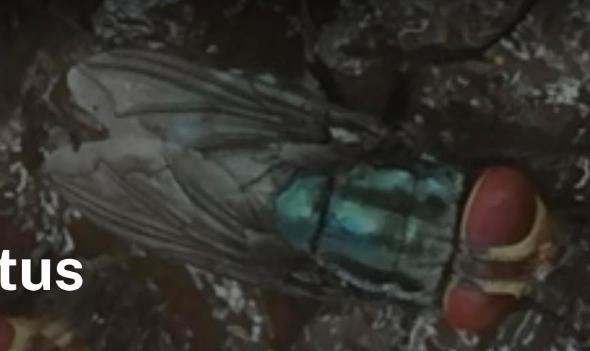
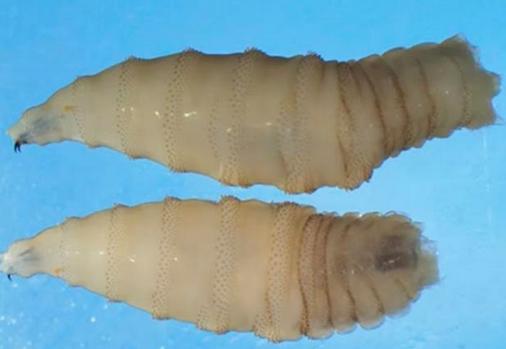
THE RETURN OF NEW WORLD SCREWWORM TO THE UNITED STATES The adult version of the New World Screwworm is a metallic blue blow fly with large orange eyes and three distinct stripes running along the thorax (top of the fly just behind the head. Photos courtesy Texas Animal Health Commission).
ADULT FLY
LARVA The United States Government eradicated this pest in the 1960's by releasing hundreds of millions of sterile male flies, pushing the infestation south of the Darien Gap in Panama. With success sometimes comes less vigilance; the flies reappeared in Texas in June 2026. Although cattle are primarily at risk, all warm-blooded mammals including other species of livestock, cats, dogs, and humans can be affected. This includes goats, sheep, horses, swine, pets, and wildlife such as deer. Adult female screwworm flies deposit eggs in bodily openings or open wounds of warm-blooded animals. Once the eggs hatch, the larvae cause a condition called MYIASIS by using their sharp mouth hooks to burrow deeply into the animal and consume live flesh. As the larvae enlarge and deepen the open wound, bacteria flourish, causing infection. My focus in this article is goats, livestock guardian animals (dogs, llamas, donkeys) and pet dogs and cats. I will not address withdrawal times for meat or milk consumption. Here is what you need to do to recognize and combat NWS: Watch and inspect your animals regularly (every two or three days is not too often). Check every animal for open wounds, tick bites, flea "hot spots," and maggots, including newborns' umbilical cord connections. Be aware of foul smells, runny discharges, wounds that get bigger rather than healing, maggots in living tissue, head shaking, excessive licking and chewing, general listlessness, and lethargy. Experienced livestock owners know how healthy animals behave and how sick animals display behaviors that indicate problems. If you suspect New World Screwworm (Cochliomyia hominivorax), call your vet immediately. Your vet will notify appropriate State and Federal authorities. This is a REPORTABLE DISEASE. You will be in violation of State and Federal laws if you attempt to handle a NWS infestation on your own. Quarantine affected animals immediately. Don't try to treat the wound yourself. If it is NWS, treating the animal yourself can destroy larval samples that authorities need to identify and eradicate the problem. Quarantines usually last about three weeks, but can be longer if State and Federal officials need more time to control and eliminate the flies aggressively with aerial sterile male fly drops. Warm-blooded animal movement is prohibited from a quarantine zone without veterinary treatment, government inspection, and transit papers. State and Federal quarantine zones may be imposed on a 12 to 15 square mile (20 kilometers) or more radius of the infection site to prevent spread of the flies. It takes about 700 million sterile male flies to effect widespread NWS eradication, so this isn't a quick fix. The United States Government has ramped up production of sterile male flies in several locations to hasten this process. Cease activities that create open wounds. Stop ear tagging, castrating, disbudding, dehorning, or any other action that opens the body to possible infestation. PREVENTION METHODS If you discover cuts or open wounds of any kind, including flea and tick bites, treat them promptly. Blue Lotion helps heal wounds after you clean them using an antiseptic flush like Chlorhexidine. Jeffers (1-800-533-3377) sells Super Sulfur paste that is a very effective wound protectant. There is also a malleable Wound Clay available for similar purpose. Use fly control products like topical permethrins and fly control bags. The U. S. Food & Drug Administration has issued Emergency Use Authorizations for Doramectin (Dectomax injectable) and 1% Ivermectin (1% Ivomec cattle injectable) to be used both preventatively for non-infected goats and within 24 hours of any skin breach. Dosing goats with Doramecin (Dectomax) at 1 cc per 110 pounds bodyweight SQ (under the skin) every 21 days is recommended. Dosage for 1% injectable Ivermectin (Ivomec) is 1 cc per 110 pounds liveweight administered SQ every 14 to 21 days. If the wound is actively infested with live larvae, these drugs will not work; immediate veterinary care is mandatory. If you use Doramectin or 1% Ivermectin to control stomach worms in goats, then you need to do fecals using a microscope and McMasters slides to make sure that stomach worms aren't developing resistance to these products due to frequency of use. For prevention of infestation in dogs, oral NexGard or Credelio flea and tick chewables are recommended. Credelio chewables made specifically for cats are also available. Both NexGard and Credelio are prescription products available through veterinarians or vet pharmacies such as Jeffers (1-800-533-3377). Suzanne W. Gasparotto, ONION CREEK RANCH, Texas rev 07-07-26 |
||||||||||||||||||||||||||||||||||||||||||||||||||||||||||||||||||||||||||||||||||||||||||||||||||||||||||||||||||||||||||||||||||||||||||||||||||||||||||||||||||||||||||||||||||||||||||||||||||||||||||||||||||||||||
|
|
|
|
|||||||||||||||||||||||||||||||||||||||||||||||||||||||||||||||||||||||||||||||||||||||||||||||||||||||||||||||||||||||||||||||||||||||||||||||||||||||||||||||||||||||||||||||||||||||||||||||||||||||||||||||||||||






|
|||||||||||||||||||||||||||||||||||||||||||||||||||||||||||||||||||||||||||||||||||||||||||||||||||||||||||||||||||||||||||||||||||||||||||||||||||||||||||||||||||||||||||||||||||
|
|
|
|||||||||||||||||||||||||||||||||||||||||||||||||||||||||||||||||||||||||||||||||||||||||||||||||||||||||||||||||||||||||||||||||||||||||||||||||||||||||||||||||||||||||||||||||


|
||
|
|
|
|
||||||||||||||||||||||||||||||||
|
|
|
||||||||||||||||||||||||||||||
