January 2023 Issue |
||||||||
 |
||||||||
• Subscribe to Meat Goat Mania • Email Us • Onion Creek Ranch • Bending Tree Ranch • OCR Health & Management Articles • MGM Archive |
||||||||
 |
|
|
|
|
|
|
|
|
|
|
|

OVER THE COUNTER MEDICATIONS GOES PRESCRIPTION ONLY IN JUNE 2023 Livestock raisers have a major challenge on their hands when June 12, 2023 arrives. That is the date that the U. S. Food and Drug Administration (FDA) changes the status of most over-the-counter livestock products to PRESCRIPTION ONLY. The order is designated FDA guidance for industry #263. The stated purpose is to control "antimicrobials" but antibiotics seem to be the target. The is a World Healh Organization initiative that claims to prevent over-use/ improper use of antibiotics to keep resistant bacteria from making these medications ineffective in humans. This "guidance," which is a non-challengeable regulation, applies to all food animals, including all ruminants (goats, sheep, cattle), hogs, and poultry. It further applies to animals animals "not intended for food," i.e. pet rabbits, backyard chickens, and horses. You may have noticed that items like penicillin have been impossible to purchase over the last 18 to 24 months. That is because the supply chain has been purposefully dried up for OTC sales as the prescription supply chain through veterinarians is being stocked. Injectables, like penicillin, oxytetracyline (LA 200), terramycin, sulfa drugs, boluses, intramammary mastitis tubes, and many topical products will be prescription only. Some items like penicillin may be available as Polyflex, which is ampicillin. Nobody, including vets, will know the full extent of these changes until they occur. Most of these items have long been available at your co-op or farm store or from online suppliers like Jeffers (1 800 533 3377). Excluded at this time are some antiparasiticides, vaccines, oral and injectable nutrition supplements, amd topical non-antibiotic products. These types of products should remain available without prescription now. Who knows if they will be put on the list soon? NOW IS THE TIME TO DEVELOP A RELATIONSHIP WITH A VET IF YOU EXPECT TO BE ABLE TO BUY MEDICATIONS NEEDED TO CARE FOR YOUR GOATS AND OTHER LIVESTOCK. If you develop a relationship with a vet, even if he isn't a "goat" vet, and pay for a farm call, you should be able to purchase in advance the needed medications to have on hand when illnesses occur, thereby eliminating emergency calls and added costs. You are going to have to plan ahead and have products on hand, or your goats might die. The FDA says nothing will change, but I believe we are looking at higher prices for everything. Human food will definitely cost more to purchase because it will cost more to produce. Prescriptions are more costly than over-the-counter products. This is likely not the last time items will become available by prescription only. So prepare NOW. Develop a relationship with a licensed veterinarian NOW so your goats and other animals do not suffer. Suzanne W. Gasparotto, ONION CREEK RANCH, Texas 1.7.23 |
Subscribe FREE now! Monthly issues with new articles and other educational information on meat goat health, nutrition, and management written by Suzanne W. Gasparotto of Onion Creek Ranch and Pat Cotten of Bending Tree Ranch. In all cases, it is your responsibility to obtain veterinary services and advice before using any of the information provided in these articles. Neither Suzanne Gasparotto nor Pat Cotten are veterinarians. None of the contributors to this website will be held responsible for the use of any information contained herein. |
|||||||||||||||||||||||||||||||||||||||||||||||||||||||||||||||||||||||||||||||||||||||||||||||||||||||||||||||||||||||||||||||||||||||||||||||||||||||||||||||||||
|
||||||||||||||||||||||||||||||||||||||||||||||||||||||||||||||||||||||||||||||||||||||||||||||||||||||||||||||||||||||||||||||||||||||||||||||||||||||||||||||||||||
 |
||||||||||||||||||||||||||||||||||||||||||||||||||||||||||||||||||||||||||||||||||||||||||||||||||||||||||||||||||||||||||||||||||||||||||||||||||||||||||||||||||||
DOING FECALS USING McMASTERS SLIDE & MICROSCOPE IS ESSENTIAL AND EASY Internal parasites are the biggest health management problem facing goat raisers. Stomach worms and coccidia kill more goats than all other illnesses combined. Stomach worms compromise a goat's immune system, making it susceptible to diseases like pneumonia and listeriosis. Everything Begins with Haemonchus contortus: The internal parasite that causes most health problems in goats in the USA is Haemonchus contortus (barberpole stomach worm), which sucks blood, causing anemia and death. Anemia is the loss of red blood cells. Red blood cells carry oxygen to all internal organs (heart, lungs, liver, kidneys, pancreas, brain) and muscles. A severely anemic goat's internal organs and muscles are starved of oxygen. I have seen goats so anemic that their legs muscles no longer work so they can't stand. Schedule routine monthly microscopic examinations of goat pills (feces) for worms (and coccidia). Do not wait for a problem; prevent it. FECAL COUNTS USING McMASTERS SLIDES are the only way to know if your dewormer is working. Count the eggs per gram. About 250 eggs per gram in many cases means deworming is needed, but some goats are debilitated by an even lower fecal egg count. Choose a dewormer (not a white-colored dewormer, i.e. NOT Valbazen, Safeguard, or Panacur), give orally at a goat-appropriate dosage, and do fecals again in 7 days. If the KILL did not reach 95%, the dewormer did not work. All you did was kill susceptible worms and keep resistant worms. Start over with a different class of dewormer. This is the ONLY way to know if the dewormer worked. Doing fecals is easy. All you need are a few supplies and some goat pills, soft stool, or even diarrhea. An inexpensive yet suitable microscope is the MSK-01L by C&A Scientific (10X-40X-400X) with a movable stage. The movable stage allows the user to move the slide from side to side when looking through the monocular (single) eyepiece The MSK-01L microscope, either corded or battery operated, is available on the Internet on Amazon.com and other sites. Don't buy a high-powered microscope; it will allow you to see trash and will confuse you. Additional supplies needed are: 1) 50 ml ((cc) test tubes with caps 2) 125-150 ml (cc) cup 3) McMaster green-gridded slides Chalex Corp. www.vetslides.com. Amazon.com carries a generic version of these slides that are blue-gridded. 4) Fecal floatation solution (sodium nitrate solution can be obtained online or from a vet) Note: You can make fecal floatation solution from sugar and water, but it is a messy operation and doesn't keep well. Buy the proper product. Don't make working with feces a more unpleasant task than it has to be. 5) Stirrer (tongue blade or popsicle stick) 6) Eye dropper 7) Block of styrofoam hollowed out to hold the test tubes upright 8) Chart depicting worm eggs and cocci oocysts. A dog internal parasite chart showing strongyles and cocci oocysts will work. Catch the goat whose feces you want to check and collect fresh pills. Use a fecal loop to gather feces from inside the goat or go inside with a disposable-gloved hand, grab several pills, exit the body, then turn the glove inside out to hold the feces. This gloved method is definitely necessary when diarrhea exists. Do not use dried-out pills when doing fecal examinations. Empty prescription bottles are good for collection and labeling. Put four or five fresh goat pills or the equivalent amount of loose feces into the cup. Mash the pills with the tongue depressor or popsicle stick. Pour 15 ml (cc) fecal floatation solution into the cup, then mash/mix the solution as much as possible. Transfer the solution to the 50 ml (cc) test tube and add fecal floatation solution to the 30 ml (cc) line. Put the cap on the test tube, making sure it fits tightly, then shake the tube for 30 seconds to further break up the pills. Put the tube in the styrofoam test-tube holder for two minutes to let the bubbles dissipate. Run water through the McMaster slide to wet the inside chamber, then dry both top and bottom of slide. Gently rock the test tube back and forth several times to make sure its contents are thoroughly mixed. Open the test tube and remove some solution with the eye dropper. Dispense the solution into one side of the McMaster chamber, making sure the solution covers the entire area under the green grids. Place the slide onto the microscope's stage and using the 100X (10X eye piece and 10X objective), find one corner of the green grid and scan up and down the six lanes, counting all the worm eggs you see. Use the worm egg/coccidia oocyst chart for identification. Multiply the number of worm eggs you see by 100 to get the Fecal Egg Count (FEC), i.e. eggs per gram of feces. Also note whether you see few or many cocci oocysts. The darkened "zeroes" with a small white pinhole center are water bubbles. Dispose of the contents of the test tube and wash for re-use. Rinse the McMaster slide in water for use with the next fecal sample. Almost every goat has a few worms and some coccidia to stimulate its immune system response. An FEC (Fecal Egg Count) below 250 isn't usually an issue, so deworming may not be needed. If a FEC of more than 250 exists, or if many cocci oocysts are in your fecal sample, take appropriate corrective measures by medicating the goat properly. Note: Coccidia is a protozoan, not a worm, therefore dewormers do not affect it. Sulfa-based products like Albon must be used to kill cocci. Sulfa products are now available only through vets. This simple and easy-to-do procedure will tell you what you need to know in order to control the worm and cocci loads in your goat herd. Establish a schedule of regular (monthly) random fecal checks to keep a handle on the fecal loads that your goats are carrying and treat as indicated by these tests. Suzanne W. Gasparotto, Onion Creek Ranch, Texas 1.7.23 |
||||||||||||||||||||||||||||||||||||||||||||||||||||||||||||||||||||||||||||||||||||||||||||||||||||||||||||||||||||||||||||||||||||||||||||||||||||||||||||||||||||
|
|
|
|
|
|
|
|
|
|
|||||||||||||||||||||||||||||||||||||||||||||||||||||||||||||||||||||||||||||||||||||||||||||||||||||||||||||||||||||||||||||||||||||||||||||||||||||||||||


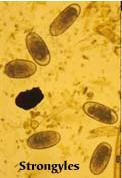
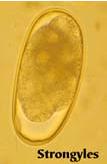
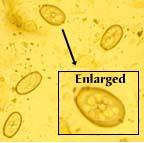
The photos below are courtesy of Dr. D. Bowman, NYSCVM, Ithaca NY. |
||
|
|
|
 |
||||||||||||||
 |
||||||||||||||
 |
||||||||||||||
 |
||||||||||||||
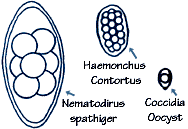
Nematodirus spathiger egg, |
||||||||||||||
Strongyles enlarged and in a group |
Coccidia |
|||||||||||||
|
|
|
|
|
|
|
|
|
|
|
|
|
|
|
|
||
|
|
|
|
||||||||||||||||||||||||||||||||||||||||||||||||||||||||||||||||||||||||||||||||||||||||||||||||||||||||||||||||||||||||||||||||||||||||||||||||||||||||||||||||||||||||||||||||||||||||||||||||||||||||||||||||||||||||||||||||||||||||||||||||||||||||||||||||||||||||||||||||||||||||||||||||||||||||||||||||||||||||||||||||||||||||||||||||||||||||||||||||||||||||||||||||||||||||||||||||||||||||||||||||||||||||||||||||||||||||||||||||||||||||||||||||||||||||||||||||||||
|
|
|
||||||||||||||||||||||||||||||||||||||||||||||||||||||||||||||||||||||||||||||||||||||||||||||||||||||||||||||||||||||||||||||||||||||||||||||||||||||||||||||||||||||||||||||||||||||||||||||||||||||||||||||||||||||||||||||||||||||||||||||||||||||||||||||||||||||||||||||||||||||||||||||||||||||||||||||||||||||||||||||||||||||||||||||||||||||||||||||||||||||||||||||||||||||||||||||||||||||||||||||||||||||||||||||||||||||||||||||||||||||||||||||||||||||||||||||||||



|
||
|
|
|
|
||||||||||||||||||||||||||||||||
|
|
|
||||||||||||||||||||||||||||||
