December 2017 Issue |
||||||||
 |
||||||||
IN THIS ISSUE: |
||||||||
• Subscribe to Meat Goat Mania • Email Us • Onion Creek Ranch • Bending Tree Ranch • OCR Health & Management Articles • MGM Archive |
||||||||
 |
|
|
|
|
|
|
|
|
|
|
|

|
|||||||||||||||||||||||||||||||||||||||||||||||||||||||||||||||||||||||||||||||||||||||||||||||||||||||||||||||||||||||
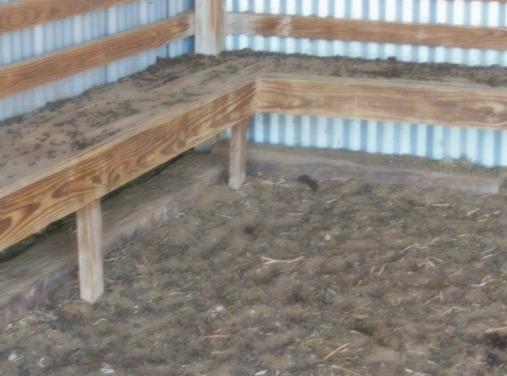
PREPARING FOR KIDDING Kidding preparations should begin when does are placed with a buck for breeding. Good management practices -- proper feeding, clean water, top-quality hay, clean and dry pens protected from wind and rain, proper bedding materials, plenty of space (no over-crowding) -- are essential to the maintenance of healthy does who in turn will deliver healthy kids. Do not get your does too fat. Overly-fat does have kidding problems. You are going to have to spend some money to get set up properly. Here is where the problem arises with too many goat raisers. They seem to think that goats eat tin cans, require no facilities, and take care of themselves. This is 180 degrees out of sync with reality. Goats are a prey species which has multiple births because half of them die from predation or starvation. Survival of the fittest may be the rule in unmanaged conditions, but you cannot make any money under those circumstances because you will lose half of your kid production and some of your dams. So get prepared in advance. The money you spend is going to be far less than you will lose by having sick and dead goats due to lack of preparation. Kidding problems will happen, and they will happen in the worst weather on a holiday weekend in the middle of the night when vets are unavailable and stores either are closed or don't have the items you need. Even if you reach a vet, few of them know anything about goats and many have no interest in goats. There are less than two million goats in the USA; that isn't enough animals to provide a significant market for vets, pharmaceutical companies, and other suppliers. Establish a relationship with a local vet; you will need prescription medications and veterinary assistance, including surgical help. You must prepare yourself in advance of problems. My website www.tennesseemeatgoats.com has many articles that may be helpful to you. Take the time to read, print, and put them in a binder that you can access when you need help. Feel free to contact me via phone if you need clarification. I am not a vet, but I've been raising meat goats since January 1990, hosting ChevonTalk on Yahoogroups since 1998, publishing MeatGoatMania on Yahoogroups monthly, maintaining Onion Creek Ranch's site on Facebook, and offering a one-of-a-kind meat-goat education program called GoatCamp™ on my Texas ranch every October. Details at www.tennesseemeatgoats.com. Set up kidding and bonding pens so you can try to avoid problems that occur without them. Five-foot sections of lightweight tubular metal with 4 inch by 4 inch panels welded to them with a gate in one panel work well. They assemble and break down easily and can be set up in different configurations by removing dividing panels to make larger pens. My kidding and bonding pens were purchased from Northeast Gate Company in Paris, Texas in the late 1990's, and I've been pleased with their durability, functionality, and ease of use. Such pens are available at many locations across the United States; do a Google search. Provide appropriate shelter from wind, rain, and cold weather. These requirements differ in cold vs hot climates. The Articles page of my website www.tennesseemeatgoats.com has a Fencing and Pens article that relates to my area's needs. Create a place with enough space that kids don't sleep so close to their dams that they get injured, smothered, or crushed. A shed with the inside walls lined with railroad ties at ground level and a low narrow bench built above the railroad ties provides a good place for kids. They can get off the ground and sleep on the railroad ties, while dams sleep on the bench above or on the ground near them. Do not built a vertical wall in front of the railroad ties; kids will pile on top of each other to keep warm and those in back or on the bottom will suffocate if a vertical wall blocks their escape.
All birthing and bonding areas should be free of ants and other pests. Ants can eat the eyes, noses, and mucous membranes of newborn kids, causing permanent damage. Before using ant killer or ant bait, read the labels and talk with your vet about products safe for use around goats. I use Amdro ant bait, but ants aren't a serious problem in dry West Texas, so I don't know how extensively Amdro can be used where ants are plentiful. Clean dry hay or straw should be spread on the ground in kidding pens. Do not use wood shavings in kidding areas. Shavings get into kids' mouths and noses and stick to the dam's tongue as she cleans her newborns. During very cold or cold and wet weather, I sometimes use reflector heat lamps with bulb guards in areas where kids sleep. Newborns and very young kids have difficulty regulating internal body temperature, but they can usually tolerate cold so long as their tummies are full of milk and they stay dry and out of wind. In areas of moderate cold such as the southern half of the United States, infrared bulbs can be too hot. Keep electrical cords out of reach to prevent kids from hanging themselves or chewing on them. Water buckets should be shallow and carefully placed to avoid a kid's drowning in them. Make provision during freezing weather to provide warm water to both dam and kids. Learning how to THINK LIKE A GOAT™ will help prevent injuries and deaths. Do not overcrowd goats. Goats require more space per individual than most other livestock species. Goats are like deer; they stress easily. Since goats have very fast metabolisms, they produce large quantities of urine and feces. Does need space to bond with their kids to learn their smells and sounds, and kids require the same. Overcrowding leads to filth (concentrations of urine, feces, and soiled/wasted hay) and filth leads to disease and death. The two biggest challenges to raising goats in any managed herd are overcrowding and improper nutrition and the problems that result. This point cannot be over-emphasized. Purchase in advance of kidding the following essential supplies. Every item has an important useful purpose. Other articles that I've written explain their usages. Items in this first section can be purchased, at Jeffers (1-800-533-3377, www.jefferslivestock.com) or in some instances your local WalMart.
|
|||||||||||||||||||||||||||||||||||||||||||||||||||||||||||||||||||||||||||||||||||||||||||||||||||||||||||||||||||||||
|
|
|
|
|
|||||||||||||||||||||||||||||||||||||||||||||||||||||||||||||||||||||||||||||||||||||||||||||||||||||||||||||||||||



|
|||||||||||||||||||||||||||||||||||||||||||||||||||||||||||||||||||||||||||||||||||||||||||||||||||||||||||||||||||||||||||||||||||||||||||||||||||||||||||||||||||||||||||||||||||||||||||||||||||||||||||||||||||||||||||||||||||||||||||||||||||||||||||||||||||||||||||||||||||||||||||||||||||||||||||
|
|
|
|||||||||||||||||||||||||||||||||||||||||||||||||||||||||||||||||||||||||||||||||||||||||||||||||||||||||||||||||||||||||||||||||||||||||||||||||||||||||||||||||||||||||||||||||||||||||||||||||||||||||||||||||||||||||||||||||||||||||||||||||||||||||||||||||||||||||||||||||||||||||||||||||||||||||



|
||
|
|
|
|
||||||||||||||||||||||||||||||||
|
|
|
||||||||||||||||||||||||||||||
