January 2010 Issue |
||||||
 |
||||||
IN THIS ISSUE: |
||||||
 |
|
|
|
|
|
|
• Subscribe to Meat Goat Mania • Email Us • Onion Creek Ranch • Bending Tree Ranch • OCR Health & Management Articles • MGM Archive |
||
|
|
|
Subscribe FREE now! Monthly issues with new articles and other educational information on meat goat health, nutrition, and management written by Suzanne W. Gasparotto of Onion Creek Ranch and Pat Cotten of Bending Tree Ranch. In all cases, it is your responsibility to obtain veterinary services and advice before using any of the information provided in these articles. Neither Suzanne Gasparotto nor Pat Cotten are veterinarians. None of the contributors to this website will be held responsible for the use of any information contained herein. |
|||||||
Frostbite………a cold weather dilemma with winter kidding Another winter and a new kidding season has begun. One of the biggest concerns to producers kidding during the winter months is dealing with frostbite on newborns. All breeds of goats with the exception of possibly LaManchas can suffer from frozen ear tips. In goats such as Nubians and Boers with long, floppy ears even an adult can suffer from frostbite due to their ears dragging in the water when they get a drink. Newborn kids however are very susceptible to frostbite in below freezing temperatures regardless of breed or ear type.
Kids are born in a sack of amniotic fluid and arrive in the world soaking wet. A good momma doe will voraciously lick their newborns clean of any birthing fluid. When you deal with multiple births however there is usually one kid that gets a better cleaning job than its siblings. As producers we need to keep a close eye on these winter births. We need to know due dates and make sure does that are due to kid have access to warm dry shelters with good bedding for these newborns to snuggle down into. Set your alarm clock for frequent nighttime checks on pregnant does during those extremely cold nights. Have clean towels ready to help the does dry their babies. Some producers prefer a more “hands on” approach and dry the newborns with a hairdryer. Other producers have heat lamps burning in their kidding area in preparation of the does kidding. Frostbite can happen within minutes in extremely cold conditions. Add in windy conditions and the |
|||||||
|
|
|
|
|
|
|
|

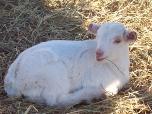
likelihood of frostbite increases as wind circulates body heat away from the skin. Once tissues are thawed the kid(s) need to be kept in a draft free area to prevent a reoccurrence of frostbite. The damage from the initial freezing makes the damaged area more susceptible to re-freezing. Interestingly livestock that suffer from frostbite typically do not exhibit pain and it may take up to two weeks before the injury becomes evident when freeze damaged tissue starts to slough away. Case in point, I had a producer contact me about a young doeling who at about a week old lost some hair on the lower parts of her back legs. I looked at the photo and said “frostbite?” The producer said that it couldn’t be that as the kid was brought in and thoroughly dried off, taken back out and put in a kidding pen with a warming barrel. The kid was active and eating well and acting as though nothing was wrong. She just had this bare, hairless patch on both back legs. |
||
|
|
|
|
||||
|
|
|
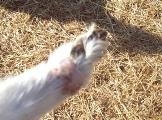
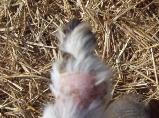
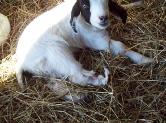
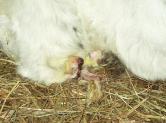
The vet said this was rather common in cattle and that the doeling should be fine. She was given a week’s course of penicillin to help ward off any infection. The doeling never acted sick, or knew she had a disability. Most times we do not know that the kids have experienced frostbite until we see the bare skin patches on legs, or swollen ears tips. It is important to keep kids with the symptoms bedded down in good bedding (preferably dry straw) and in draft free areas on those bitter cold nights and days. Cover exposed areas with zinc oxide ointment or Udder Balm being especially cautious when applying the ointment as rubbing the affected areas can cause further damage. Watch closely for signs of infection. If antibiotics are needed penicillin should suffice. Most times the areas just dry up and fall off on their own. Pat Cotten © 2010 |
||
|
|
|
|
||||||||||||||||||||||||||||||||||||||||||||||||||||||||||||||||||||||||||||||||||||||||||||||||||||||||||||||||||||||||||||||||||||||||||||||||||||||||||||||||||||||||||||||||||||||||||||||||||||||||||||||||||||||||||||||||||||||||||||||||||||||||||||||||||||||||||||||||||||||||||||||||||||||||||||||||||||||||||||||||||||||||||||||||||||||||||||||||||||||||||||||||||||||||||||||||||||||||||||||||||||||||||||||||||||||||||||||||||||||||||||||||||||||||||||||||||||||||
|
|
|
||||||||||||||||||||||||||||||||||||||||||||||||||||||||||||||||||||||||||||||||||||||||||||||||||||||||||||||||||||||||||||||||||||||||||||||||||||||||||||||||||||||||||||||||||||||||||||||||||||||||||||||||||||||||||||||||||||||||||||||||||||||||||||||||||||||||||||||||||||||||||||||||||||||||||||||||||||||||||||||||||||||||||||||||||||||||||||||||||||||||||||||||||||||||||||||||||||||||||||||||||||||||||||||||||||||||||||||||||||||||||||||||||||||||||||||||||||||

|
||
|
|
|
|
||||||||||||||||||||||||||||||||
|
|
|
||||||||||||||||||||||||||||||
